Fashion & Style
Beyond the Labels: Decoding Craftsmanship and Construction in Quality Clothing
A Guide to Understanding What Truly Makes a Garment Endure
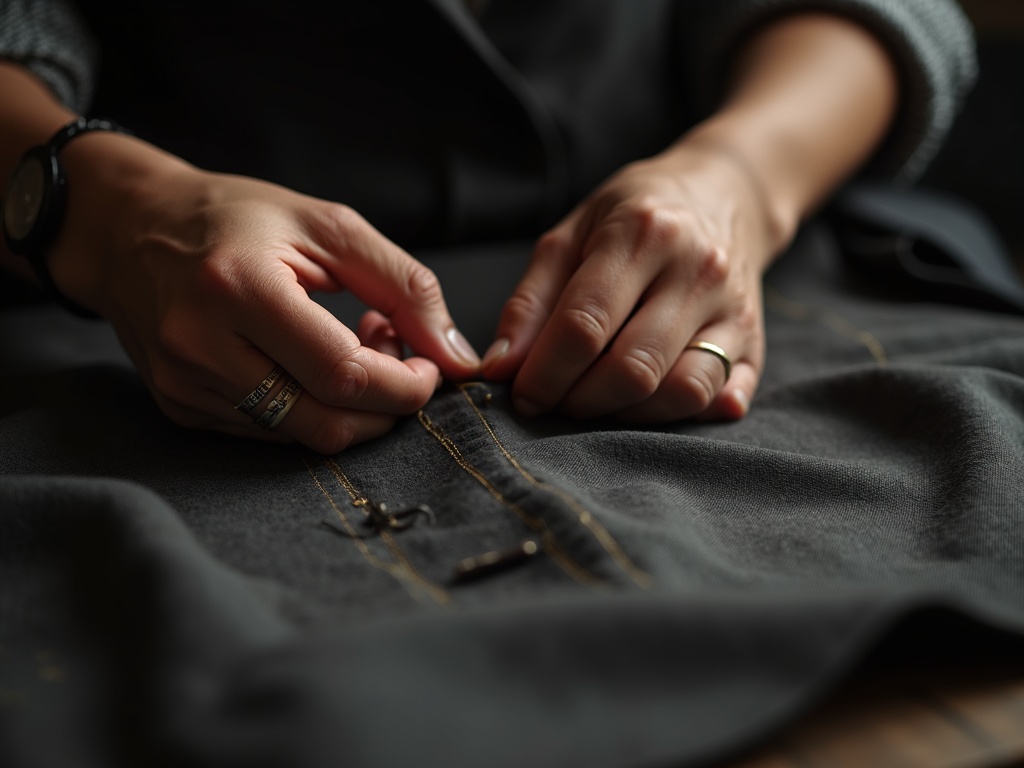
In a world saturated with fleeting trends and mass-produced garments, the true value of clothing often gets lost amidst brand names and seasonal hype. Findiora champions a philosophy of timelessness, quality, and intentional style – principles that inherently demand a deeper understanding of what makes a garment truly exceptional. This understanding extends beyond the aesthetic appeal to the very essence of its creation: craftsmanship and construction.
For the discerning individual, knowing how to identify well-made clothing is a cornerstone of building a refined, enduring wardrobe. It empowers you to make thoughtful purchasing decisions, invest wisely, and appreciate the artistry and dedication behind each piece. This guide will equip you with the knowledge to look beyond mere labels and evaluate the tangible indicators of quality that ensure a garment will not only look good but also stand the test of time.
The Foundation: Understanding Fabric and Materials
The journey to understanding quality begins with the raw materials. The fabric is the garment's skin, dictating its drape, feel, durability, and how it interacts with the wearer and the environment. Choosing superior fabrics is the first step towards a long-lasting and comfortable garment.
Natural vs. Synthetic: Beyond the Buzzwords
While both natural and synthetic fibers have their place, understanding their inherent properties is crucial. Natural fibers like cotton, linen, wool, and silk are often prized for their breathability, luxurious feel, and ability to age gracefully. High-quality natural fibers tend to regulate temperature better, offer a richer texture, and can often be repaired or repurposed more easily.
- Cotton: Look for long-staple cottons like Pima or Egyptian cotton, which produce stronger, softer yarns. The weave (e.g., twill for denim, poplin for shirts, sateen for a softer sheen) also impacts performance.
- Linen: Known for its strength and breathability, good linen feels substantial yet soft, not scratchy. It wrinkles beautifully, a sign of its natural character.
- Wool: Merinos, cashmere, and alpaca are excellent choices for their warmth, softness, and resilience. Look for a tight, even weave or knit, and a springy hand-feel that recovers well from compression.
- Silk: The epitome of luxury, silk should feel smooth, cool to the touch, and have a natural sheen. Dupioni or raw silk will have more texture, but the quality of the fiber remains paramount.
Synthetic fibers, such as polyester, nylon, and rayon, offer durability, wrinkle resistance, and often lower costs. However, quality synthetics are engineered for performance (e.g., moisture-wicking activewear) rather than mimicking natural fibers cheaply. Blends can combine the best of both worlds, but the proportion and quality of each fiber matter significantly.
Thread Count, Weave, and Hand-Feel: What to Look For
Beyond the fiber type, the way the threads are constructed into fabric plays a vital role:
- Thread Count (for tightly woven fabrics like shirting): While not the sole indicator, a higher thread count (e.g., 200-300 for cotton shirts) often indicates a finer, denser, and more durable fabric. However, excessively high counts can sometimes be achieved by using thinner, weaker threads. Focus on the overall feel.
- Weave: The pattern in which threads are interlaced. A tighter, more consistent weave generally means a stronger, more stable fabric less prone to snagging or pilling. Hold the fabric up to the light; a high-quality weave will appear dense and uniform, with minimal gaps.
- Hand-Feel: This is subjective but crucial. A quality fabric will feel substantial, smooth, or appropriately textured without being flimsy, overly stiff, or excessively coarse (unless intended, like a raw denim). It should have a pleasant weight and drape, indicating good fiber integrity.
The Blueprint: Examining Garment Construction
Once the fabric is chosen, how it's cut and assembled determines the garment's structural integrity and longevity. This is where true craftsmanship shines through.
Seams: The Unsung Heroes of Durability
Seams are the joints of a garment, and their strength is paramount. Inspect them closely:
- Evenness and Straightness: Quality seams are consistently straight, without puckering, bulging, or wavy lines. This indicates careful cutting and precise stitching.
- Stitch Density: More stitches per inch (SPI) generally mean stronger seams. Look for 10-14 SPI on most garments, and even higher on delicate items or tailored pieces. Too few stitches can lead to seam failure.
- Seam Finishes: How the raw edges of the fabric are treated within the seam is a key indicator. Look for:
- French Seams: Where raw edges are fully enclosed within two rows of stitching. Common in high-end shirts, blouses, and unlined garments, they are neat, durable, and prevent fraying.
- Flat-Felled Seams: Extremely strong and durable, often seen in jeans and workwear. The raw edges are folded under and stitched flat against the garment.
- Bound Seams: Raw edges are encased in a strip of fabric. Used in unlined jackets or coats for a clean finish.
- Overlocked/Serged Seams: While common, high-quality overlocking will be dense, even, and lie flat. Poor overlocking can be loose, unravel, or add bulk.
Avoid garments with raw, unfinished seams that are prone to fraying, especially in areas of high stress.
Stitching: Precision and Consistency
Beyond seams, examine all visible stitching:
- Consistency: Stitches should be uniform in length and tension. Irregular or loose stitches are a sign of rushed production and will weaken over time.
- Reinforcement: Stress points like pocket corners, buttonholes, and belt loops should be reinforced with bar-tacks or extra stitching. This prevents tearing in areas that experience frequent pulling.
- Thread Quality: The thread itself should be strong and color-matched (unless contrasting thread is a design element). Flimsy or easily broken threads indicate poor quality.
Interlinings and Linings: The Hidden Structure
These internal components provide shape, structure, and comfort:
- Interlinings/Interfacings: Often fused or sewn into collars, cuffs, waistbands, and lapels, these give crispness and prevent stretching. In quality garments, they should be well-integrated, not bubbly or stiff.
- Linings: A full lining (in jackets, coats, skirts, dresses) adds comfort, helps the garment drape smoothly, and prolongs its life by protecting the outer fabric. A good lining should be made of a breathable, durable fabric (like Bemberg cupro, silk, or high-quality viscose) and be neatly sewn, allowing for ease of movement without pulling.
Buttons, Zippers, and Hardware: Details That Define Quality
Small details often reveal much about overall quality:
- Buttons: Look for natural materials like mother-of-pearl, horn, or corozo, which are more durable and aesthetically pleasing than plastic. Buttons should be securely sewn with a shank (a small stem of thread or plastic) to allow fabric to lay flat beneath them.
- Buttonholes: These should be neatly stitched, dense, and free from loose threads. Machine-made buttonholes should be precise; hand-stitched ones show an even higher level of craftsmanship.
- Zippers: YKK is a widely recognized standard for quality zippers. Look for smooth operation, sturdy teeth, and a well-attached pull tab. Metal zippers are generally more durable than plastic ones for outerwear and trousers.
- Hardware: Buckles, clasps, and other metal components should feel substantial, be free of sharp edges, and have a consistent finish. Cheap hardware can quickly tarnish or break.
The Fit and Finish: Signs of Thoughtful Design
Beyond the individual components, the overall execution of the design speaks volumes about a garment's quality.
Pattern Matching and Alignment
In patterned fabrics (stripes, plaids, checks), true quality is evident in meticulous pattern matching. Stripes should align perfectly across seams, pockets, and collars. This requires more fabric and careful cutting, indicating a higher standard of production.
Draping and Silhouette
A well-constructed garment will hang beautifully on the body, following its contours without clinging awkwardly or pulling. The fabric should drape naturally, and the silhouette should maintain its intended shape. This comes from expert pattern-making and precise cutting, which ensure the garment is balanced.
Finishing Touches: Hems, Pockets, and Collars
- Hems: Hems should be even, lie flat, and be adequately deep (especially in trousers and skirts) to allow for alterations. Blind hems, where the stitching is nearly invisible, are a mark of quality tailoring.
- Pockets: Pockets should be functional, neatly sewn, and often reinforced. In tailored garments, pocket bags might be made of a robust, breathable fabric.
- Collars and Cuffs: These should be crisp, well-shaped, and symmetrical. The stitching should be even, and they should sit comfortably without stiffness or puckering.
Beyond the Garment: The Philosophy of Durability
Understanding craftsmanship is not merely about identifying a well-made item; it's about cultivating a mindset that values longevity and thoughtful consumption. Findiora believes style should feel intentional, not disposable. Investing in quality pieces aligns perfectly with this ethos.
Investing in Longevity: A Mindset Shift
Choosing quality over quantity means shifting away from the transient nature of fast fashion. A well-constructed garment, though potentially a higher initial investment, offers a far greater return in terms of wear, comfort, and enduring style. It reduces waste, supports ethical production, and allows you to build a wardrobe that genuinely reflects your personal aesthetic for years to come.
Care and Maintenance: Preserving Your Investment
Even the best-made garment requires proper care. Understanding the fabric and construction also informs how you should clean, store, and maintain your clothing. Following care labels, gentle washing, appropriate drying, and timely repairs (like re-sewing a button or mending a small tear) are all part of honoring the craftsmanship and extending the life of your wardrobe.
By consciously choosing pieces that exhibit superior craftsmanship and construction, you are not just buying clothes; you are investing in artistry, durability, and a more sustainable, refined approach to personal style. This informed perspective allows you to curate a wardrobe that truly endures, reflecting a deeper appreciation for quality and timeless elegance.