Fashion & Lifestyle
The Art of Wardrobe Editing: Curating Your Path to Timeless Elegance
Transform your closet from cluttered to curated, embracing intentionality and lasting style through thoughtful decluttering.
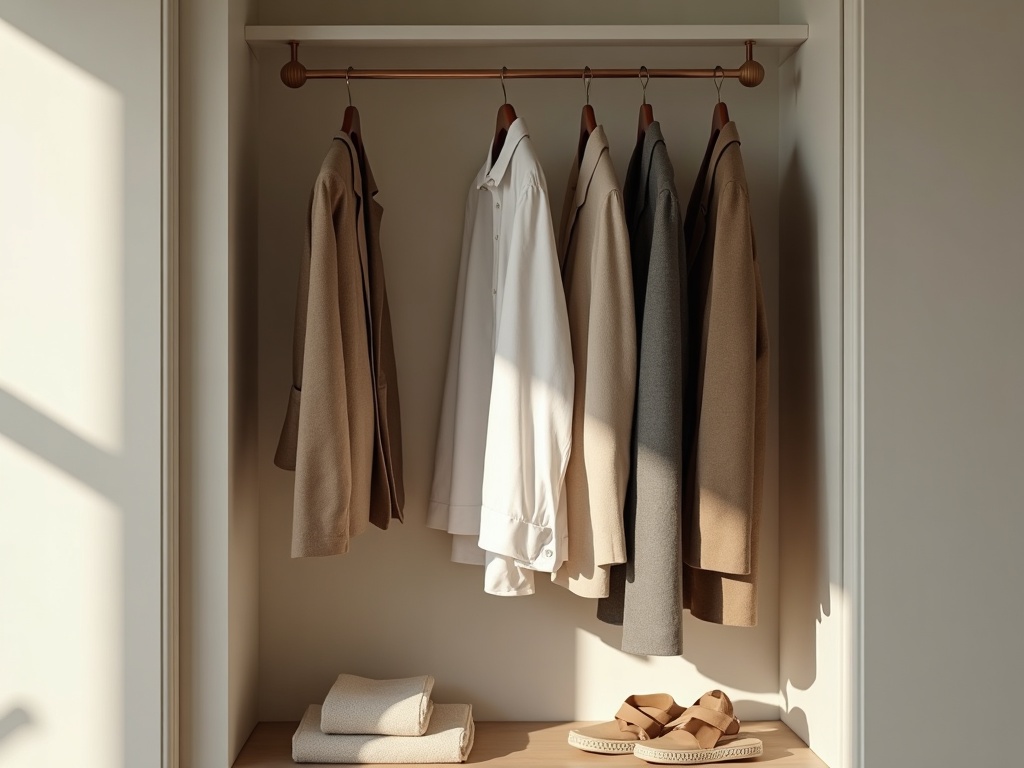
In an age of relentless trends and fast fashion cycles, the pursuit of a genuinely timeless wardrobe can feel like a contradiction. We're often encouraged to accumulate more, to chase the latest must-have, leading to closets overflowing with pieces that often don't truly serve our personal style or stand the test of time. This is where the art of wardrobe editing becomes not just a practical exercise, but a philosophical one. It's about moving beyond mere accumulation to intentional curation, transforming your closet into a reflection of refined taste and enduring elegance.
Wardrobe editing is more than just decluttering; it's a strategic process of evaluation, refinement, and intentional decision-making. It's about identifying what truly resonates with your aesthetic, what functions seamlessly with your lifestyle, and what contributes to a coherent, sophisticated personal style. For those who value quality over quantity, and timelessness over fleeting trends, mastering this art is fundamental.
The Philosophy Behind Intentional Curation
At the heart of a timeless wardrobe lies intentionality. Every piece should serve a purpose, reflect your character, and contribute to a cohesive aesthetic. Wardrobe editing helps you cultivate this mindset by forcing a thoughtful confrontation with your existing possessions. It's an opportunity to ask: Does this item truly bring me joy? Does it fit my current lifestyle? Does it align with the elevated, refined image I wish to project?
This process encourages a shift from reactive shopping—buying what's trendy or on sale—to proactive curation. By understanding what you already own, what works, and what doesn't, you become a more discerning consumer, investing in pieces that offer genuine longevity and versatility. This aligns perfectly with Findiora's belief that style should feel intentional, valuing quality and individual character over imitation.
Pillars of an Effective Wardrobe Edit
To approach wardrobe editing systematically, consider these core pillars:
1. Assess and Evaluate Your Current Collection
Begin by taking an honest inventory. Pull everything out of your closet and drawers. This might seem daunting, but it's crucial to see the full scope of what you own. As you go through each item, consider:
- Fit: Does it fit well now? Even a beautiful garment loses its elegance if it's ill-fitting.
- Condition: Is it well-maintained? Are there tears, stains, or signs of excessive wear that can't be repaired?
- Versatility: Can it be styled in multiple ways? Does it pair easily with other items in your wardrobe?
- Personal Connection: Do you genuinely love it and feel confident when wearing it? Does it reflect your authentic self?
- Lifestyle Relevance: Does it suit your daily activities, work environment, and social engagements?
Categorize items into "Keep," "Alter/Repair," "Donate/Sell," and "Discard." Be ruthless but honest. The "Alter/Repair" pile is often overlooked but can revive beloved pieces.
2. Define Your Personal Style Core
Before putting anything back, take time to solidify your personal style. What colors, silhouettes, and fabrics do you gravitate towards? What aesthetic speaks to you most (e.g., minimalist, classic, understated luxury)? Understanding your core style helps you filter decisions during the editing process. Create a mental or physical mood board if it helps. This clarity ensures that every item you keep contributes to a cohesive and intentional look, rather than a collection of disparate pieces.
3. Identify Gaps and Overlaps
Once you have a clear vision of your ideal wardrobe and an inventory of what you're keeping, you can identify true gaps. Are you missing a foundational piece like a classic trench coat or a versatile pair of trousers? More importantly, identify overlaps. Do you own five similar black sweaters when one or two high-quality options would suffice? This step prevents redundant purchases and guides future intentional shopping decisions.
Practical Steps for a Successful Edit
- Empty Your Closet Completely: Start with a blank slate. This visual impact can be powerful.
- Cleanse and Prepare: While your closet is empty, give it a thorough clean. Consider adding cedar blocks or sachets to protect garments.
- Categorize Systematically: Group similar items together (e.g., all shirts, all trousers, all dresses). This makes evaluation easier.
- Try Things On: Don't just hold items up. Try on anything you're unsure about. Pay attention to how it feels and looks on your body now.
- Be Honest About "Someday" Clothes: If you haven't worn it in a year, or it's waiting for a hypothetical future event or body shape, it's likely time to let it go. Free up that mental and physical space.
- Store with Intention: Once you've made your decisions, return only the "Keep" items to your closet. Organize them logically by type, color, or outfit. Use quality hangers and appropriate storage solutions to protect your curated collection.
The Enduring Benefits of a Curated Wardrobe
An expertly edited wardrobe offers profound benefits beyond just a tidy closet. You'll experience less decision fatigue, as every item is a trusted choice. Your outfits will feel more cohesive and polished, reflecting a consistent aesthetic. You'll save time and money by avoiding impulse buys and focusing on quality investments. Ultimately, wardrobe editing is an act of self-respect and a commitment to a refined, intentional lifestyle—a true hallmark of timeless elegance.